
Choose how to make your will
A will you write and sign yourself may not need witnesses. A typed will generally needs at least two eligible witnesses.
Plan what to leave your family, check who has a protected inheritance share and prepare the records needed to transfer assets in Vietnam.

Your spouse, parents, minor children and adult children unable to work may have a protected share, even if your will says otherwise. Ask a Vietnamese notary or lawyer to check this before you decide on gifts.
A handwritten will and a typed will have different witness requirements. Choose the form with your adviser, then keep the signed original where your family can find it.
A will you write and sign yourself may not need witnesses. A typed will generally needs at least two eligible witnesses.
Keep land-use rights and housing certificates with your asset list. You can only leave property or shares you own.
Ask the notary which foreign documents need translation, certification or legalisation before relatives send them.
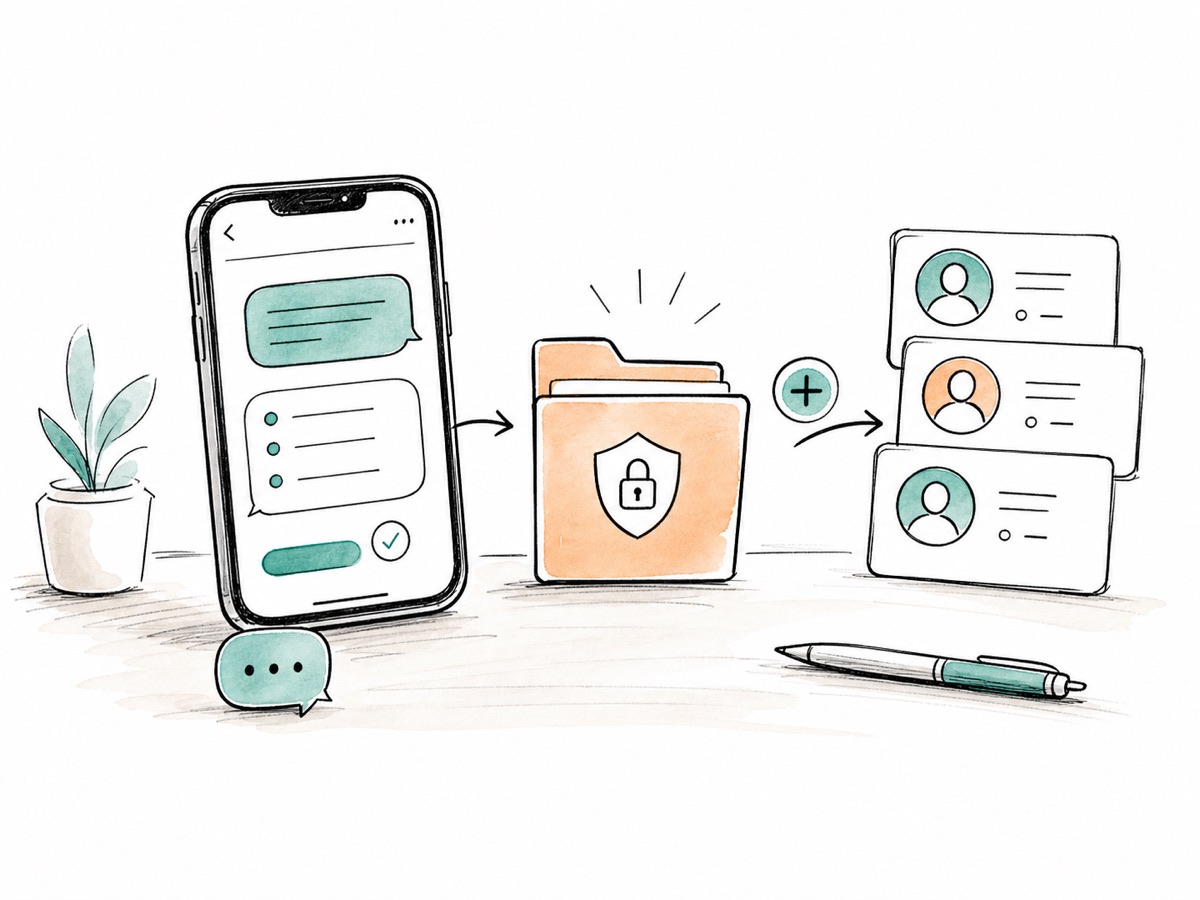
Gather death, birth and marriage records, the original will and proof of each heir’s relationship.
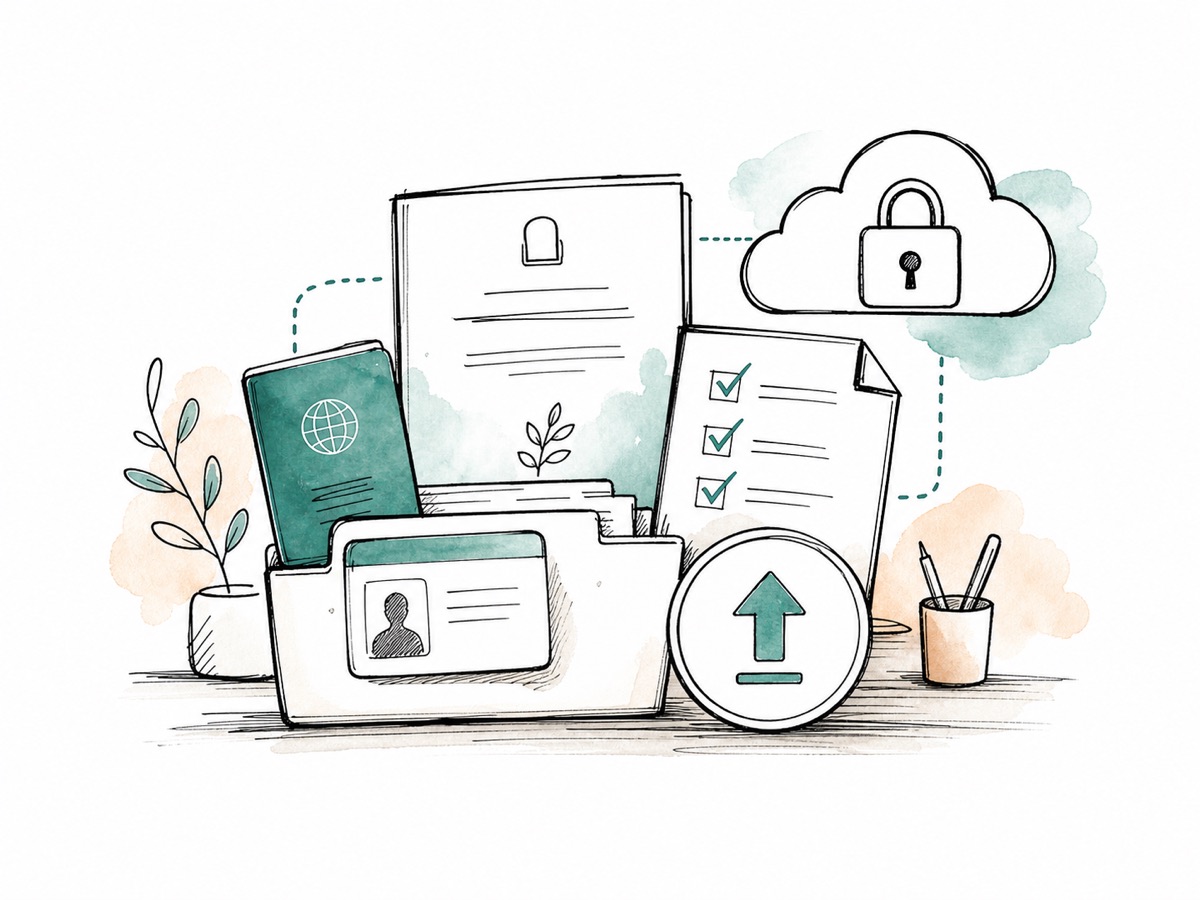
Collect land-use and housing certificates, bank details and loan records. Check the deceased’s share of jointly owned assets.

Ask a notary about the required notice, inheritance declaration or agreement dividing the estate. Resolve disagreements before signing.
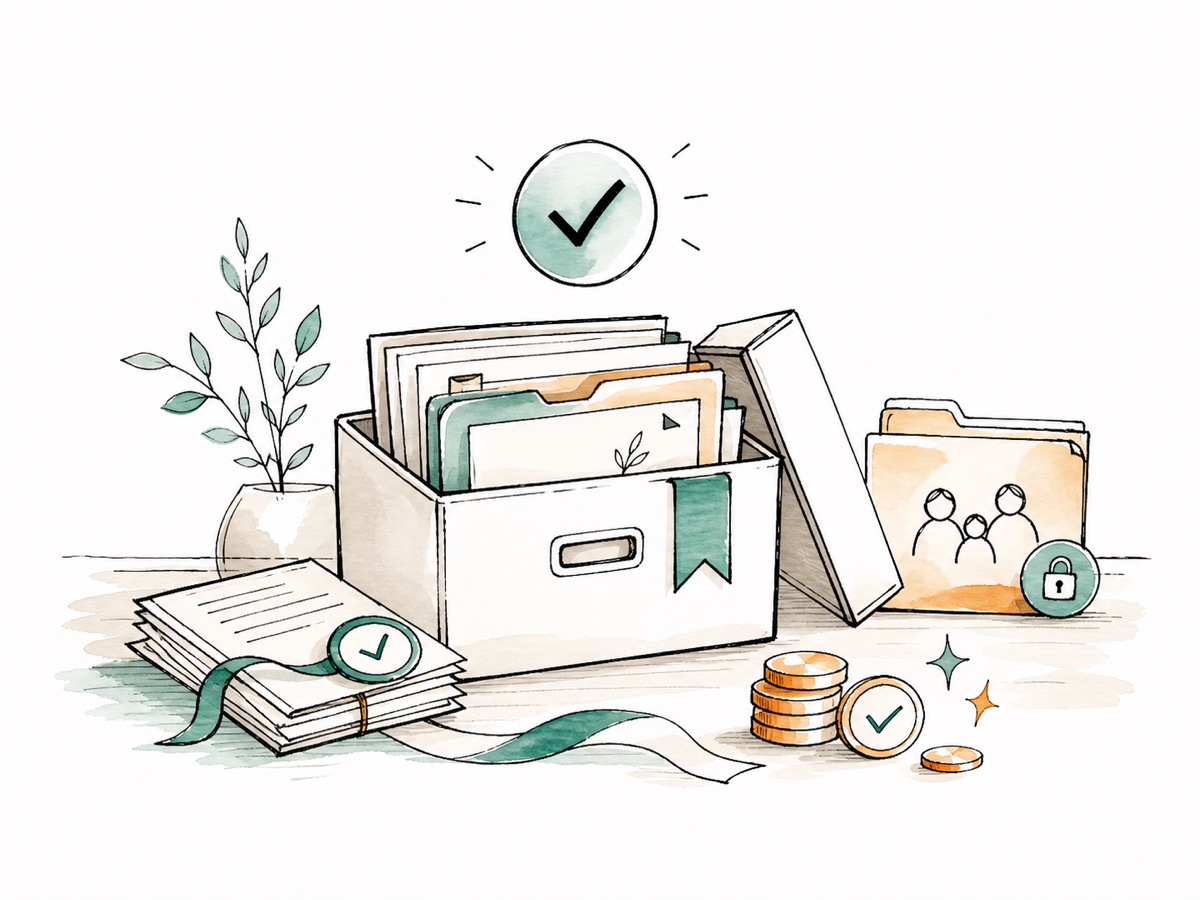
Take the completed documents to banks and property registries. Settle debts and taxes and keep the final records.
No. A written will can be valid without notarisation if it meets the required rules. Ask a notary to check your chosen form, especially if someone else types or writes it for you.