
Classify the estate first
Confirm value, movable and immovable assets, whether there is a valid will and whether Muslim succession rules apply before choosing a filing route.
Plan around Malaysia's different estate routes, the distinction between Muslim and non-Muslim succession, and the documents institutions need.

What matters locally
Malaysia does not use one administration route for every estate. Current government guidance separates summary estates consisting only of movable assets up to RM600,000, small estates up to RM5 million, and larger estates or non-Muslim estates with a will that proceed through the Civil High Court. The asset mix and value determine whether Amanah Raya, the Small Estates Distribution Division or the High Court is involved.
For non-Muslims, wills and intestacy are principally governed by civil legislation. Muslim estates require faraid analysis and can also involve state Islamic rules on wasiat, hibah and jointly acquired property. EPF and insurance nominations, jointly owned assets and trust arrangements should be reviewed separately rather than assumed to fall under the will.
Confirm value, movable and immovable assets, whether there is a valid will and whether Muslim succession rules apply before choosing a filing route.
A will, executor appointment, nominations, trusts or hibah, and an asset record may all be relevant. Malaysia has no single statutory equivalent of Singapore's LPA.
Advance care planning and advance directives are used in clinical practice, but current Ministry of Health guidance notes there is no dedicated Malaysian advance-directive statute.
Your plan
Work through the decisions in an order that protects the family, the assets and the people responsible.
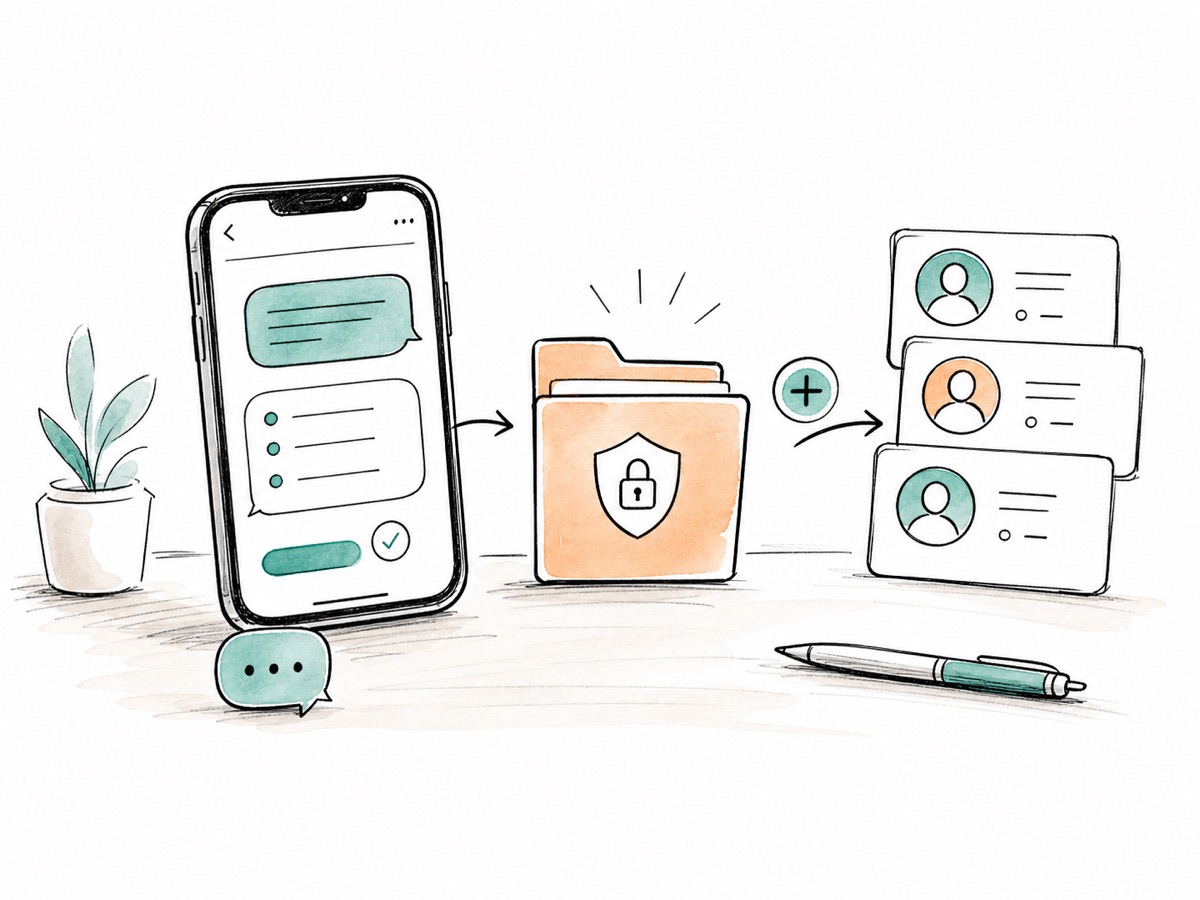
Record religion, domicile, family relationships and asset ownership. For Muslim estates, obtain advice on faraid, wasiat, hibah and any state-specific requirements.

Gather the death certificate, identity and relationship records, property titles, bank and investment records, EPF and insurance details, debts and the original will if one exists.

Use Amanah Raya for qualifying summary estates, JKPTG's small-estate process where applicable, or the Civil High Court for probate or letters of administration.

Obtain the required order or grant, settle liabilities, complete land and institutional transfers, distribute under the will, faraid or intestacy rules, and retain accounts.
Digital support in Malaysia
Asset and family inventories, eligibility triage, Amanah Raya or JKPTG preparation, will instructions, document checklists and case coordination can begin digitally. Signing, witnessing, land work, Syariah determinations and court or professional steps follow the applicable formal process.
Timeliss is preparing the country-specific documents and professional route before opening public services in Malaysia. You can still organise the information described above or contact us about an early case.
Malaysia questions
These answers explain common routes, not personal legal advice. Family, domicile, ownership and cross-border facts can change the result.
It depends on value, asset type, whether there is a will and the deceased's religion. Amanah Raya, JKPTG, the Civil High Court and the Syariah Court can each have a role.
A clearer next step
Start with the estate value, asset types, will status and family context so the case can be directed correctly.