
Plan for death and incapacity
A will operates after death. An LPA covers decisions during incapacity; ACP records care preferences, while an AMD applies narrowly to extraordinary life-sustaining treatment in terminal illness.
Understand the documents to prepare, the authority your family may need and the routes used to settle a Singapore estate.

What matters locally
A will directs the probate estate and names an executor. A valid will is generally signed at the end by the testator in the simultaneous presence of two witnesses, who also sign; beneficiaries and their spouses should not witness gifts made to them. NRIC or passport details are useful for accuracy, but the Wills Act focuses on identity and execution rather than prescribing NRIC numbers as a universal validity requirement.
After death, the named executor usually applies for a Grant of Probate. Without a valid will, an eligible beneficiary applies for Letters of Administration and distribution follows the applicable intestacy rules. Muslim estates can require a Syariah Court Inheritance Certificate and Muslim inheritance rules. CPF nominations, some insurance nominations and jointly owned assets may pass outside the probate estate.
A will operates after death. An LPA covers decisions during incapacity; ACP records care preferences, while an AMD applies narrowly to extraordinary life-sustaining treatment in terminal illness.
Singapore's Electronic Transactions Act excludes wills from ordinary electronic execution. Use wet-ink signing and two witnesses unless the law or a professional confirms a different route.
Review CPF and insurance nominations, joint ownership, trusts and overseas assets separately because the will may not control them.
Your plan
Four decisions prevent most avoidable uncertainty for families.
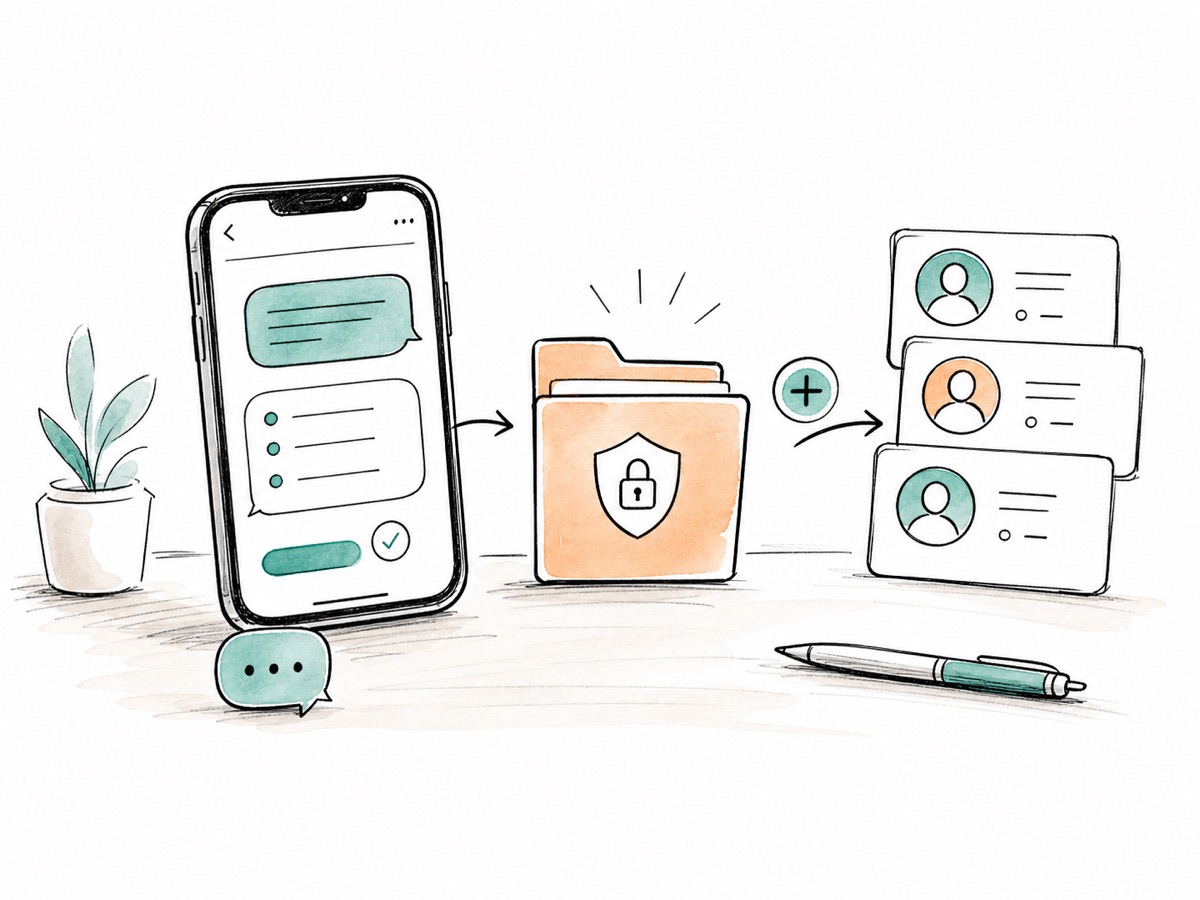
Name executors, replacement executors, guardians where relevant, and trusted donees for an LPA. Confirm that each person understands the role.
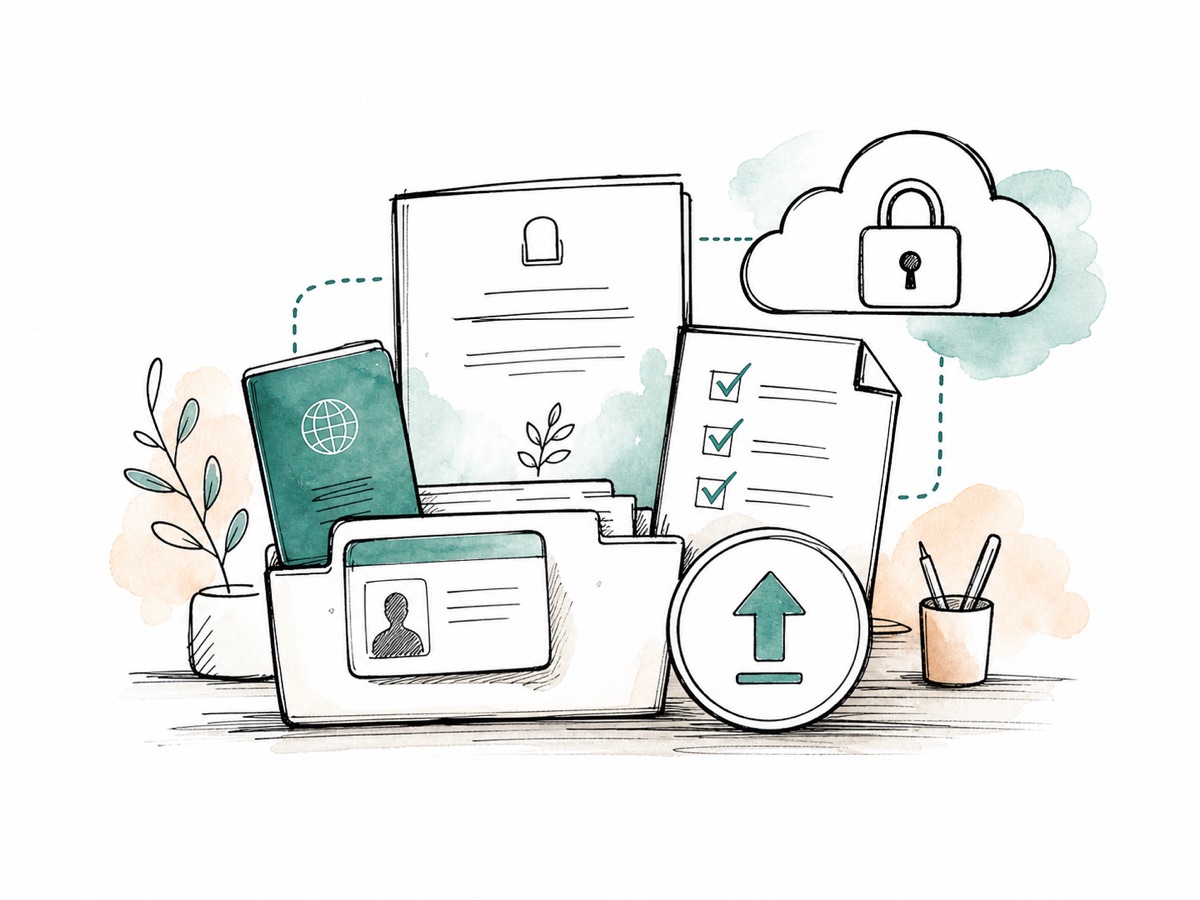
List property, accounts, investments, insurance, CPF, debts, digital assets and overseas interests. Prepare the right will, nominations and care-planning documents.

Execute the will with two suitable witnesses. Complete LPA Form 1 for standard powers or obtain legal drafting for Form 2; certification and registration with the Office of the Public Guardian are required.

Locate the original will, establish authority, prepare the Schedule of Assets, deal with institutions, settle liabilities and distribute with a clear estate account.
Digital support in Singapore
Education, asset inventories, will drafting preparation, LPA preparation, ACP conversations, probate eligibility checks and case coordination can begin online. Formal witnessing, certification, original-document handling and some court, medical or professional steps still require the prescribed process.
Free simple will drafting with review routes when complexity appears.
View service Guided or managedGuided preparation and professional support for lasting powers of attorney.
View service Guided or managedManaged support for banks, insurers, brokerage, employer benefits, logistics and closure.
View service Guided or managedUrgent or pre-planned funeral support through local partners.
View service Guided or managedEmployee-family support and HR referral workflows.
View service Guided or managedReferral tools for insurers, agents, lawyers, funeral directors and advisers.
View serviceSingapore questions
These answers explain common routes, not personal legal advice. Family, domicile, ownership and cross-border facts can change the result.
No. A grant may not be required for some nominated or jointly held assets. The Public Trustee may administer qualifying estates up to its statutory limit, while institutions may have their own small-balance procedures.
A clearer next step
Answer a few questions and Timeliss will route you to the appropriate planning, administration or professional-support workflow.