
Choose a valid will form
Ordinary written, holographic, public-document, secret-document and oral emergency wills have different execution rules. Do not mix their requirements.
Plan for Thai succession, court appointment of an estate administrator, land restrictions and a separate living-will process for healthcare.
What matters locally
Thailand's Civil and Commercial Code governs wills, statutory heirs and estate administration. A will can take prescribed forms, including an ordinary written will signed before at least two witnesses present at the same time. After death, heirs or an interested person commonly petition the provincial court to appoint an estate administrator before dealing with registered assets.
The statutory-heir classes, surviving-spouse share, marital property and any reserved or foreign ownership restrictions must be checked before distribution. Thailand also recognises a living will under section 12 of the National Health Act for refusing health services intended only to prolong the terminal stage of life or suffering.
Ordinary written, holographic, public-document, secret-document and oral emergency wills have different execution rules. Do not mix their requirements.
Even with a will, an executor may need the court's appointment as estate administrator to transfer land, bank funds and other registered assets.
Foreign ownership limits, condominium rules, marriage property, overseas heirs and assets outside Thailand can materially change the plan.
Your plan
Work through the decisions in an order that protects the family, the assets and the people responsible.
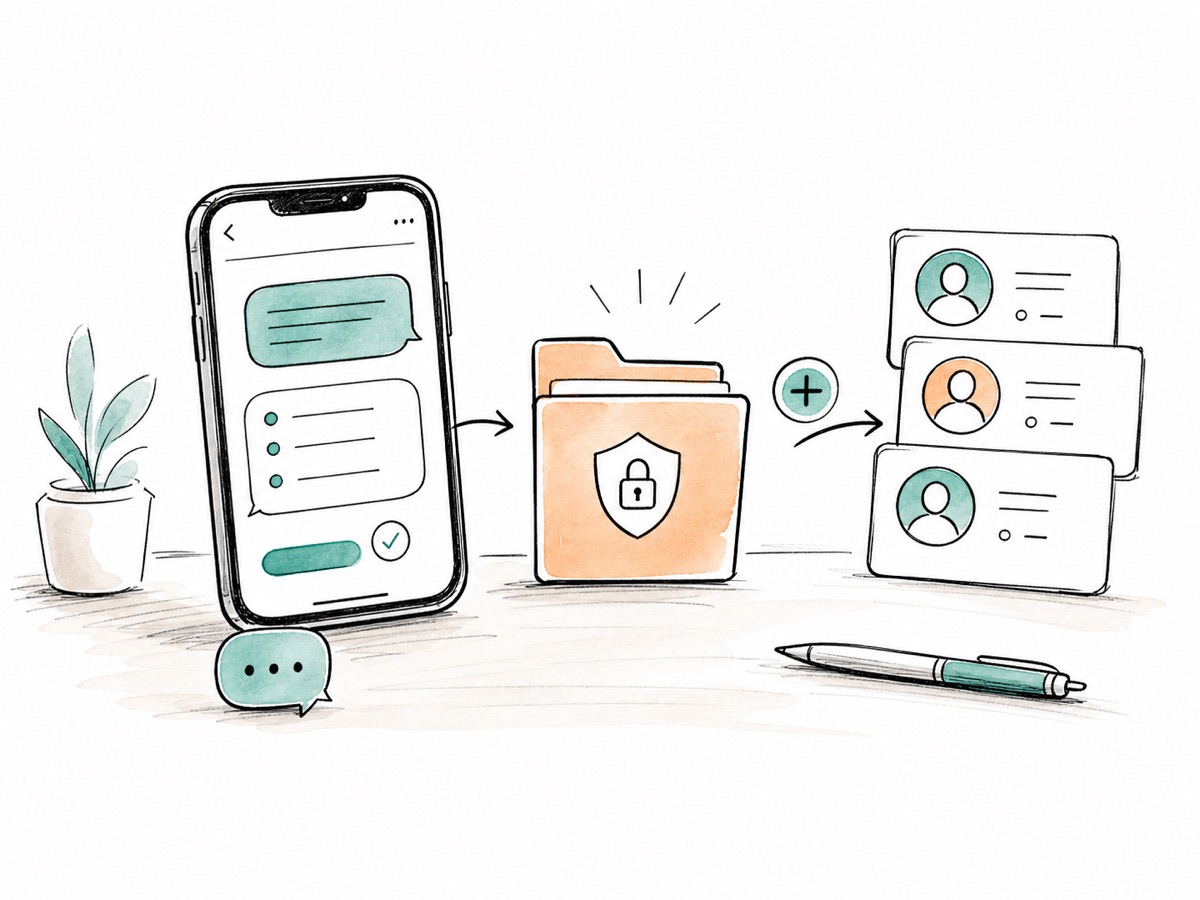
List Thai and foreign assets, select an executor, identify heirs and witnesses, and make a separate section 12 living will if healthcare preferences should be recorded.
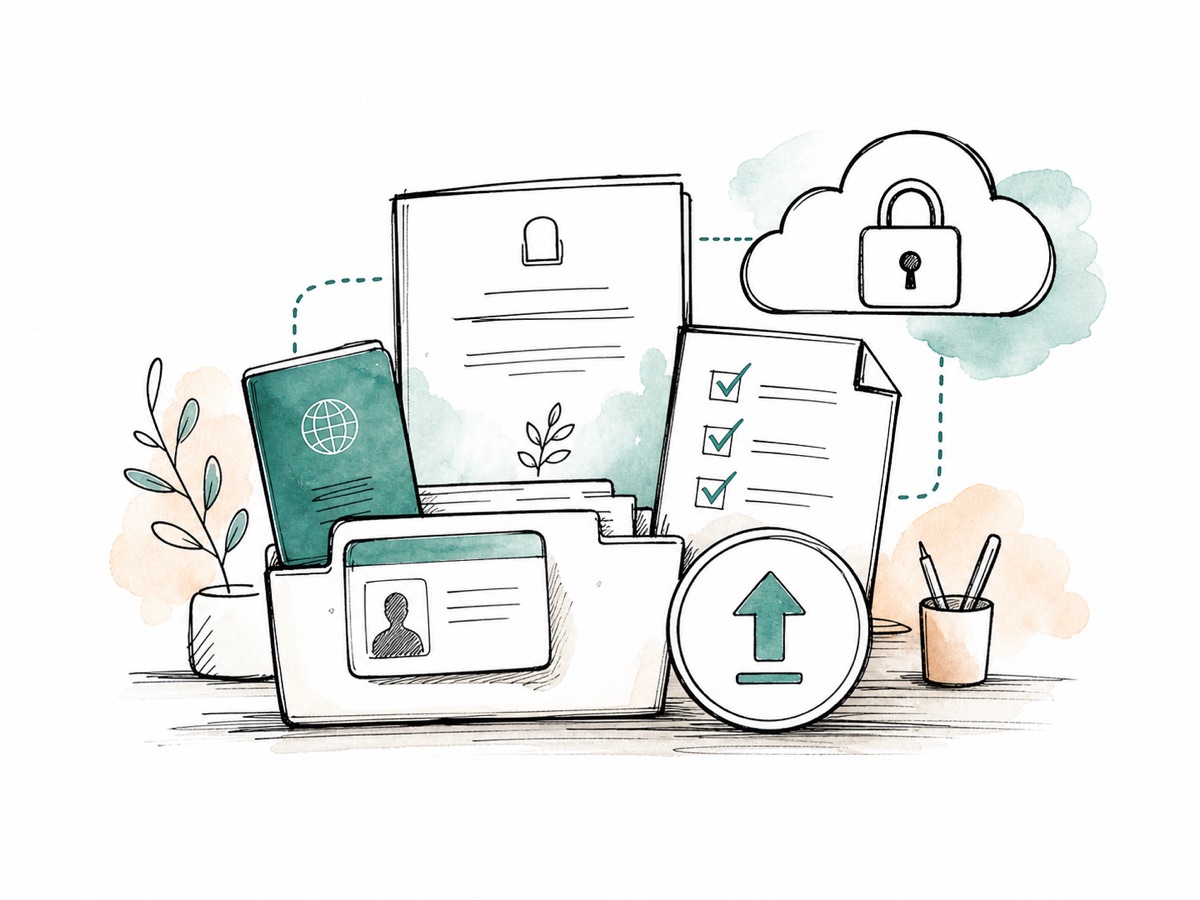
Obtain the death certificate, house registration, IDs or passports, marriage and family records, original will, land titles, bank records, company interests and debts.

File in the competent provincial court, notify interested parties and attend the hearing. Resolve will, heir or capacity disputes before relying on the order.

Use the court order with land offices, banks and registries, pay liabilities and taxes, distribute under the will or statutory succession, and keep accounts.
Digital support in Thailand
Asset inventories, will and petition preparation, section 12 e-living-will work, document tracking and adviser coordination can begin online. Will execution, legalisation, court hearings and land or bank transfers retain formal requirements.
Timeliss is preparing the country-specific documents and professional route before opening public services in Thailand. You can still organise the information described above or contact us about an early case.
Thailand questions
These answers explain common routes, not personal legal advice. Family, domicile, ownership and cross-border facts can change the result.
Thailand does not use probate in exactly the common-law sense, but a court order appointing an estate administrator is commonly needed for registered assets or where institutions require authority.
A clearer next step
Start with the will, heirs, asset locations and any foreign ownership issues so the right court and transfer route can be planned.