
Identify the legal system
Religion, ethnicity, family circumstances, domicile and asset location can affect which inheritance rules and forum apply.
Understand how civil, Islamic and customary inheritance systems can change the documents, forum and distribution route for an Indonesian family.

What matters locally
Indonesia has a plural inheritance system. Depending on the deceased and family, the Civil Code, Islamic inheritance law in the Compilation of Islamic Law, or recognised adat rules may be relevant. Muslim inheritance disputes and heir determinations commonly involve the Religious Courts, while other matters may proceed through the general courts or notarial and administrative processes.
A will can be prepared through a notary and reported to the Ministry of Law's online wills registry. Families also use inter vivos gifts, beneficiary arrangements and family agreements, but land transfers require the correct PPAT and registration process. A clear inheritance statement or court determination may be needed before banks and land offices will transfer assets.
Religion, ethnicity, family circumstances, domicile and asset location can affect which inheritance rules and forum apply.
A notarial will, deed of inheritance statement, gift deed or estate-division agreement may support the process, but each has a different legal function.
Inherited land and buildings require heir evidence, tax and land-office documents; gifts during life are not a substitute for the correct PPAT transfer.
Your plan
Work through the decisions in an order that protects the family, the assets and the people responsible.
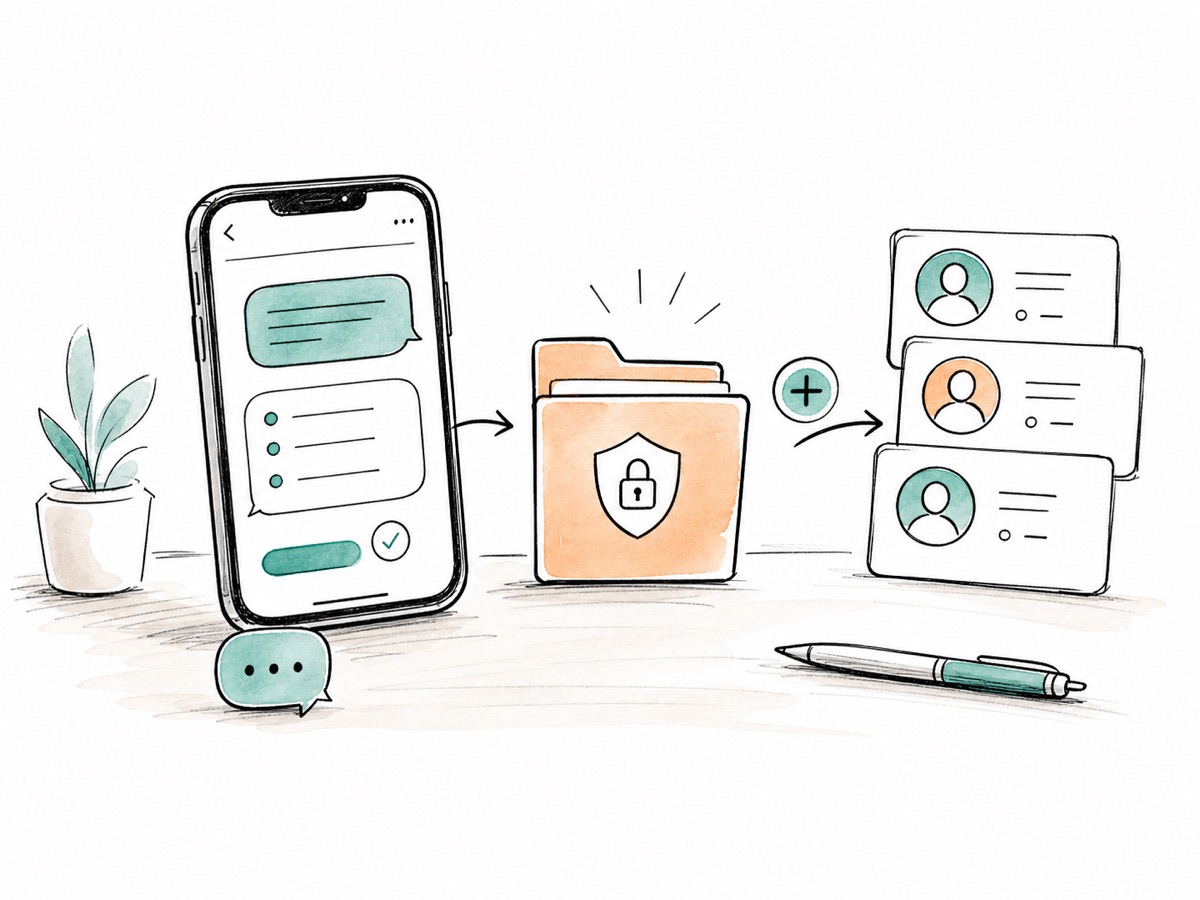
Record the deceased's religion, marriage and children, family tree, domicile and any adat connection before calculating shares or promising a distribution.
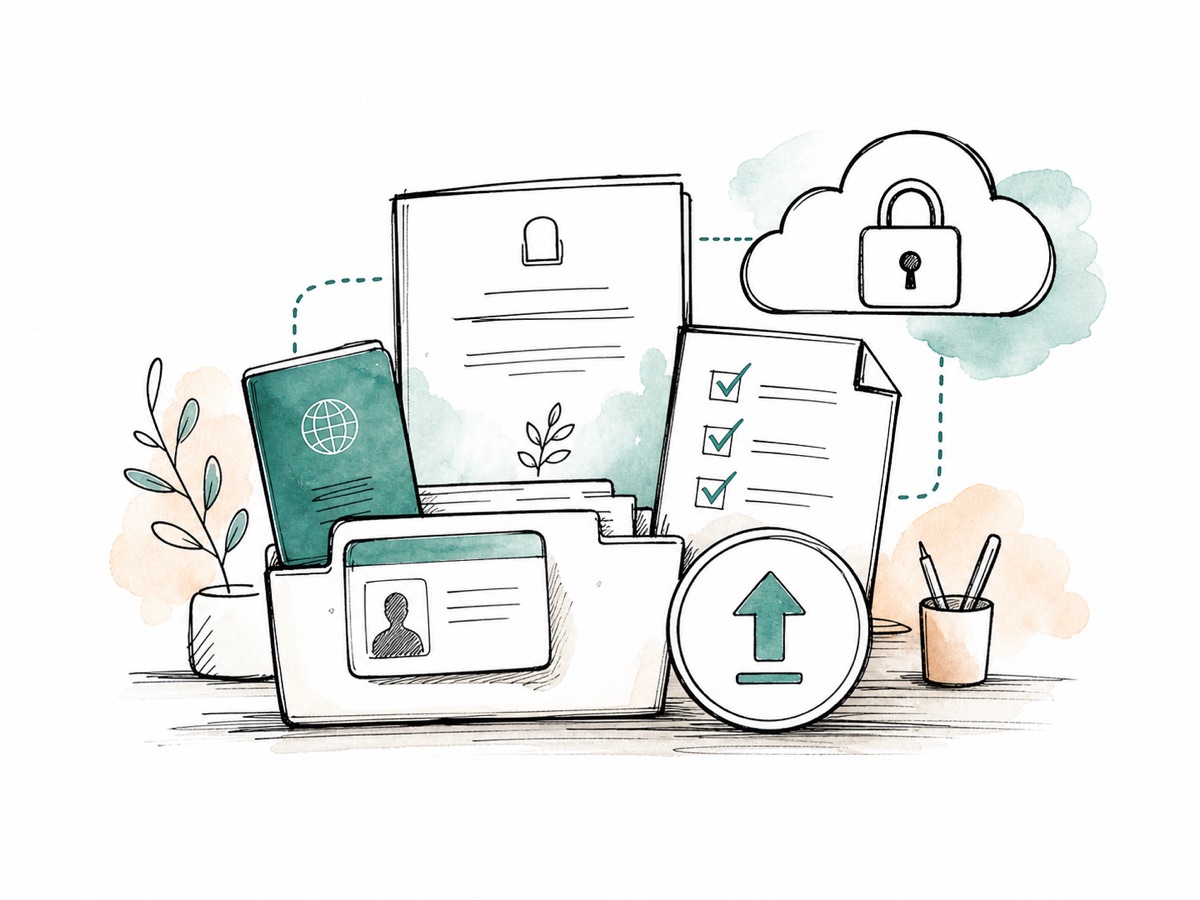
Ask the notary to check the Ministry of Law will registry, locate original deeds and gather civil-status, death, ownership, debt and tax records.
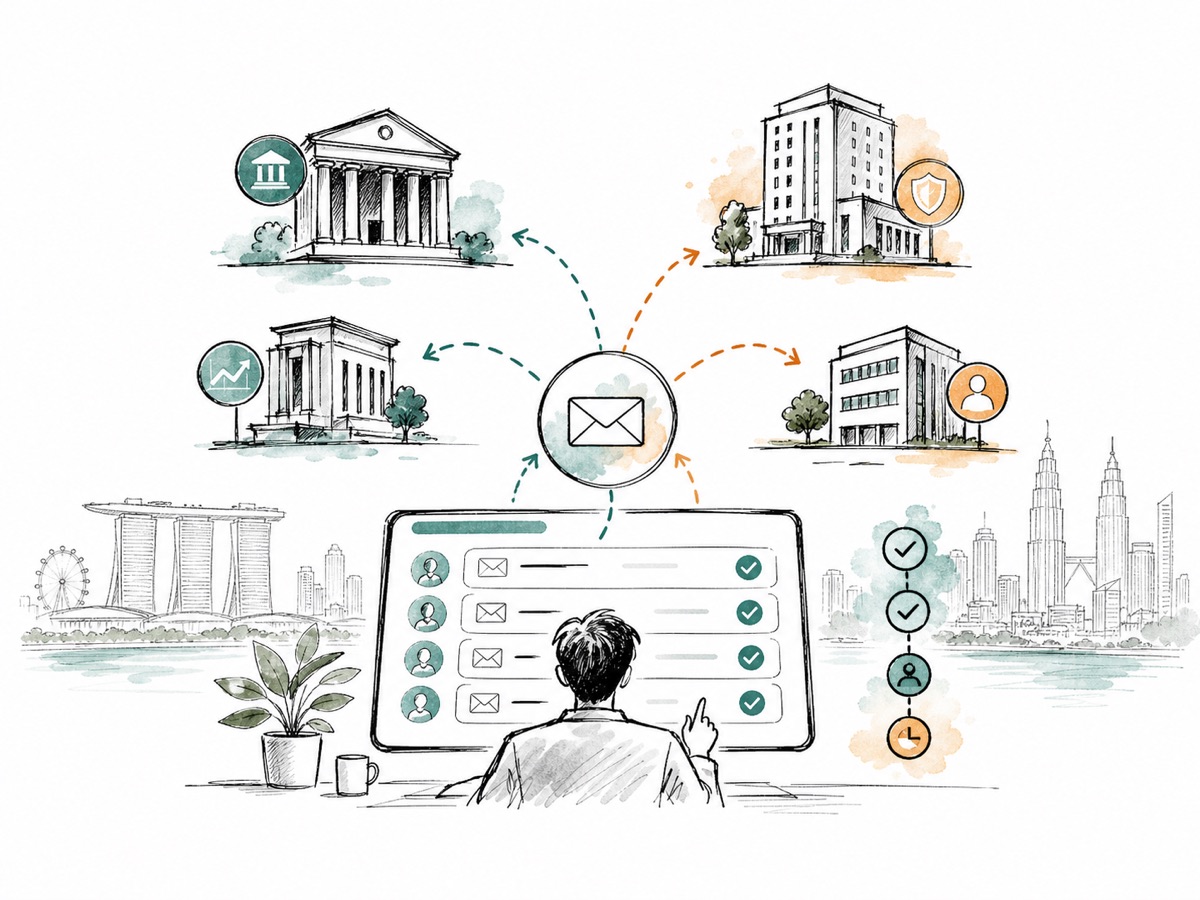
Obtain the appropriate inheritance statement, notarial deed or court determination, then resolve disputes or protected-share issues before transfers.

Work with banks, insurers, PPATs and land offices, settle liabilities and taxes, and record the distribution or family settlement in the form required.
Digital support in Indonesia
Family-tree and asset inventories, will-registry checks through a notary, document collection, legal-system triage and case coordination can begin online. Notarial deeds, court determinations, PPAT work and land registration retain formal steps.
Timeliss is preparing the country-specific documents and professional route before opening public services in Indonesia. You can still organise the information described above or contact us about an early case.
Indonesia questions
These answers explain common routes, not personal legal advice. Family, domicile, ownership and cross-border facts can change the result.
There is no single answer for every family. The Civil Code, Islamic law or adat may apply depending on personal and factual connections, and the correct forum can differ.
A clearer next step
Tell us the family context, applicable religion or custom and where the assets sit so the right Indonesian route can be identified.